Why Litter Box Smell Gets Worse in Summer
Nothing about your cat changed in July. The box did not get dirtier overnight. Warm, damp air simply makes the same waste smell stronger, and it gets there faster.
Disclosure: Purrify is our product, and we may benefit if you buy it. Details
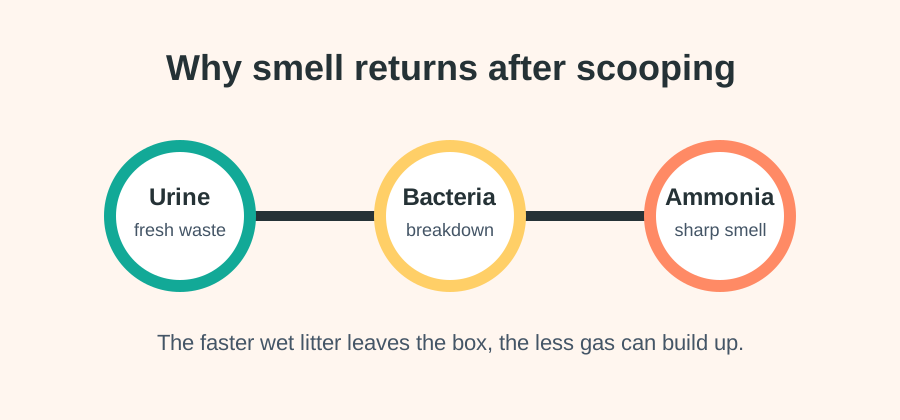

What Heat Actually Does to a Litter Box
Cat urine does not arrive smelling like a public washroom. It gets there. Bacteria in the box break urea down, ammonia comes off as a gas, and that gas is what you smell from the hallway. The whole process is a clock, and heat winds the clock forward.
That is the piece most people miss. In a cool room you might have most of a day before a fresh clump turns sharp. In a hot room you have a fraction of that. You did not become a worse cat owner in summer. Your margin got smaller. If you want the full chemistry behind it, we walk through it in why litter boxes smell so bad.
Warm air also holds and moves gas differently than cold air. Odor that would have stayed low in the litter in January lifts into the room in August. Nothing new is being produced. It is just reaching you.
Humidity Is the Half Nobody Talks About
Heat gets blamed for summer litter smell. Damp air deserves half the blame. Clumping litter works because it pulls moisture in and locks it into a solid piece you can lift out whole. In a humid room, the litter is already carrying moisture from the air before your cat ever uses it.
Soft clumps break. You scoop what looks like the whole thing, and wet crumbs stay behind in the corners and along the bottom. Those crumbs keep working. Two weeks of that and you have a box that smells three hours after a scoop, which is exactly the complaint we hear most between June and September.
A basement box in a damp house can be worse than a box in a hot sunroom. If you are choosing between the two, choose dry over cool.
The Four Summer Multipliers
Warm litter
Bacteria work faster when it is warm. The same clump turns sharp in less time than it would in winter.
Damp air
Humid rooms keep litter from drying out. Soft clumps break when you scoop them, and the pieces stay behind.
Sealed windows
Air conditioning season means closed rooms. The odor has nowhere to go, so it sits at nose level.
Sun on the box
An hour of afternoon light on a plastic box warms both the litter and the plastic. Warm plastic gives off old odor it soaked up months ago.
Any one of these is manageable. Stacked together through a heat wave, they turn a box you barely noticed in spring into the first thing a guest smells at the door.
The Air Conditioning Trap
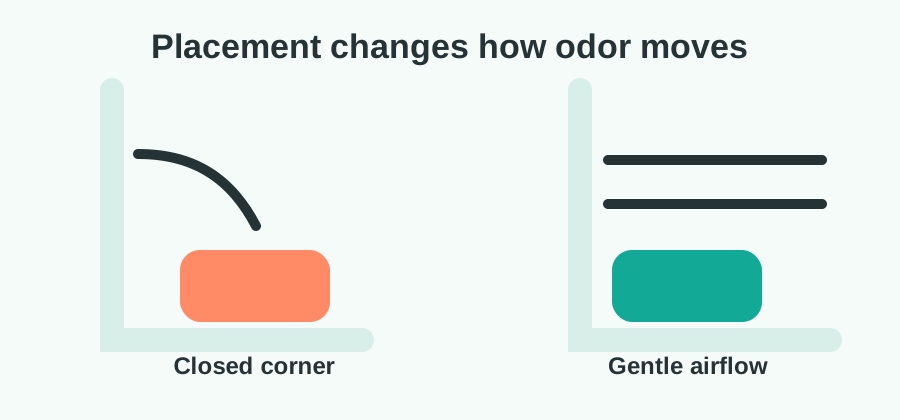
Here is the part that catches people out. Summer is the season we seal the house shut. Windows close in May and stay closed until September. The air conditioning cools the air and takes a little moisture out of it, which helps, but most home systems move the same air around the same rooms. They do not bring fresh air in.
So the odor has nowhere to go. It builds through the day, settles into fabric, and greets you when you walk back in from the heat. People notice it in their own homes for the first time in months and assume something went wrong with the litter.
Ten minutes of a genuinely open window, on the far side of the home from the box, does more than an hour of the fan setting. You want the air replaced, not stirred.
Where the Box Sits Matters More in August
A spot that was fine all winter can be the worst place in the house by August. Go stand where the box is at four in the afternoon. If it is warmer there than the rest of the home, that is your problem.
Sunlit rooms and sunrooms. Direct light warms both the litter and the plastic all afternoon.
Upper floors. Heat rises, and the box on the top floor sits in the hottest air in the house.
Closed bathrooms. Shower steam plus a shut door is the most humid box location most homes have.
Laundry rooms. A running dryer heats the room and pushes warm air straight across the box.
Garages and sheds. They swing hotter than the house, and nobody scoops a box they have to go outside to reach.
Cupboards and closets. Concealed boxes look tidy and behave like ovens.
If a hood is part of your setup, summer is when it stops being neutral and starts working against you. Warm air gets trapped under the cover with nowhere to move, which is worth reading about in covered vs uncovered litter boxes.
Your Summer Reset, in Order
Do these in sequence. Skipping to the last one and hoping is why most people are still smelling the box in September.
Empty the box completely, today. Do not top up over summer litter that has been sitting since June.
Wash the box and let it dry fully in open air. Warm plastic releases odor it absorbed, so this is the month it pays off most.
Refill with 3 to 4 inches of fresh unscented clumping litter, so urine never reaches the bottom.
Move the box out of the sun and away from the dryer, the water heater, and any sealed closet.
Scoop morning and night for two weeks, not once a day. Heat cuts your window in half.
Open one window on the far side of the home for ten minutes a day, so the air actually swaps instead of circling.
Step one and two are the ones people skip, and they are the ones that matter most in heat. Our deep clean walkthrough covers what to wash the box with and what will quietly ruin the plastic. For how to reset your timing for the season, see how often to change cat litter.
Where Purrify Fits in a Hot Month
Activated carbon traps odor gas before it leaves the box, which is exactly the gap that opens up when heat shortens your window between scoops. It is an add-on, not a replacement for a clean box. Get the routine right first, then add a light layer of activated carbon if the room still holds a smell between scoops. Purrify is sold in bags, holds a 5.0 Google rating, and is stocked in more than 40 pet stores across Canada.
See Carbon Support for Summer OdorWhat Not to Do in a Heat Wave
Plugging in an air freshener beside the box. You get perfume plus ammonia, which most people find worse than ammonia alone.
Buying the most heavily scented litter on the shelf. Fragrance covers the first hour and does nothing for the eighth.
Closing the door on the room. The smell concentrates and hits you harder every time you open it.
Skipping a scoop because you are away for the weekend. A skipped scoop in August is not the same as a skipped scoop in January.
If you need the room presentable in the next hour rather than the next week, start with the quick fixes and come back to the reset tonight.
One More Thing About Sharp Summer Smell
If what you are smelling is not general staleness but a sharp, eye-watering hit when you walk past, that is ammonia rather than ordinary box odor, and it deserves its own fix. Firm clumps, enough depth, and fast removal do more for it than any product swap. Start with the best litter setup for ammonia smell.
And if the smell arrived suddenly, in a home where nothing else changed, watch your cat for a few days. Changes in how often or how much a cat urinates are worth a call to your vet, in any season.
FAQ
Why does my cat litter smell worse in summer?
Warm, damp air speeds up the bacteria that break cat urine down into ammonia gas, and warm air carries that gas out of the litter faster. The box is not dirtier than it was in February. The room around it changed.
Does humidity make litter box smell worse?
Yes. Damp air keeps litter from drying between visits, so clumps stay soft and break apart when you scoop. Wet crumbs left behind keep producing odor after the box looks clean.
Should I scoop more often in hot weather?
Scoop at least twice a day through a heat wave, and do the full change sooner than your usual schedule. Time is the ingredient heat is stealing from you.
Does air conditioning help with litter box smell?
It helps a little by cooling and drying the air, but most home air conditioning recirculates the same air instead of replacing it. A cooler room with no fresh air still traps odor.
Where should I put the litter box in summer?
Somewhere cool, shaded, and gently ventilated. Avoid sunlit rooms, upper floors, closed bathrooms, garages, and the corner beside a running dryer.
Compare the Full Product Stack
For broader buying options, use the cat litter comparison. For odor at the source, see Purrify's carbon additive.
Keep the House Fresh Through the Heat
Summer makes every weak point in a litter routine obvious at once. These guides fix them one at a time.