Cat Litter Smell
Taking Over? We Can Fix That.
Look, you didn't Google "cat litter smell" because everything's going great. Something has gone terribly wrong, and you need answers. We got you.
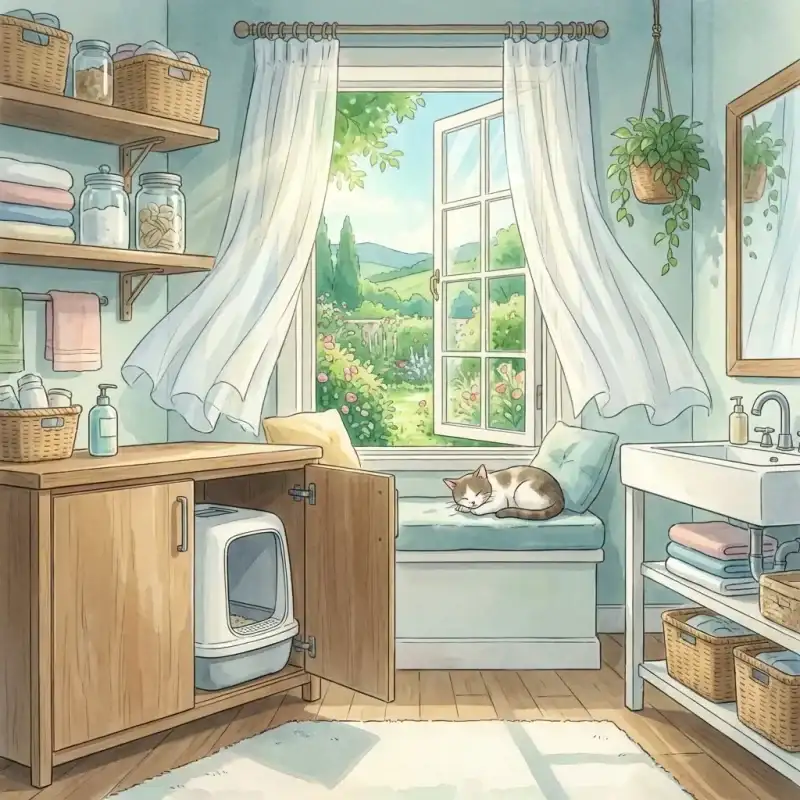
Quick Wins That Actually Work
No fancy products required. Start with these and see immediate improvement.
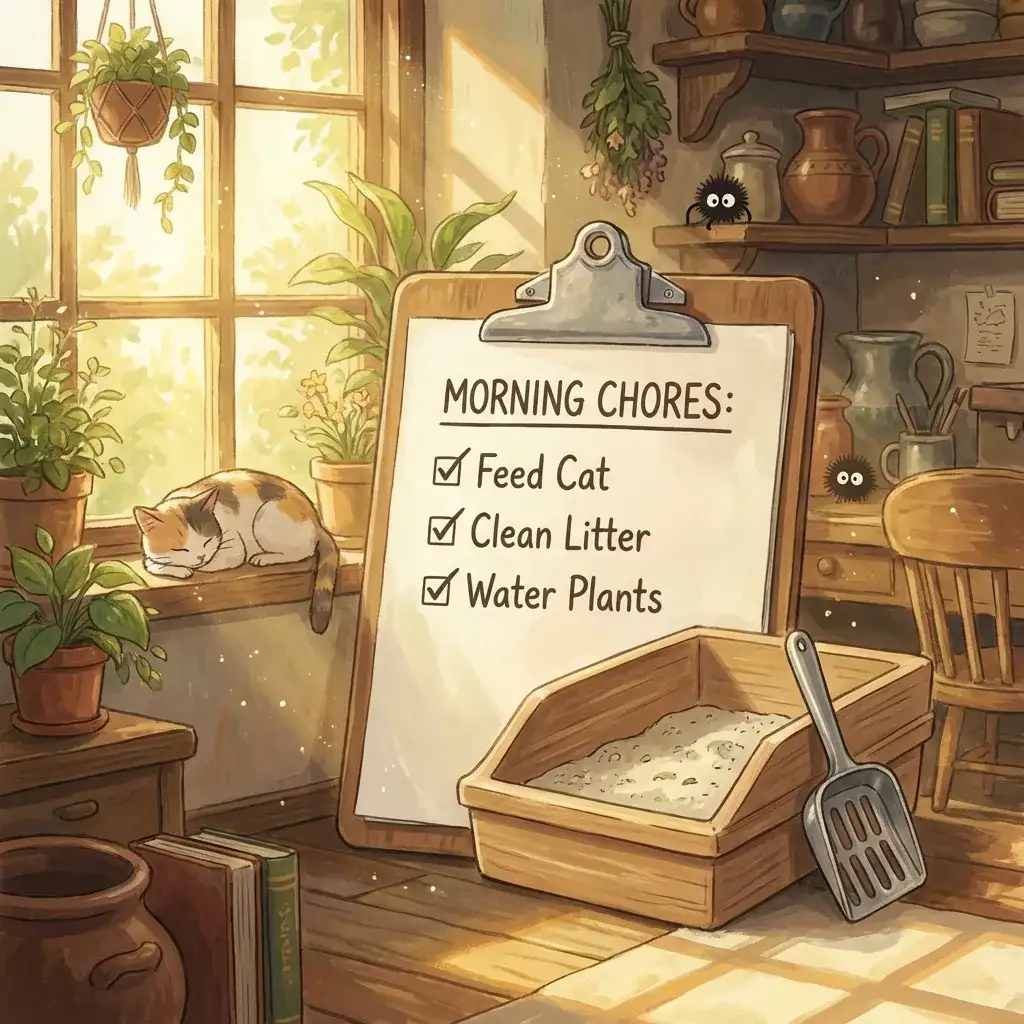
Scoop More Often
Yeah, we know. But seriously - twice a day makes a huge difference.
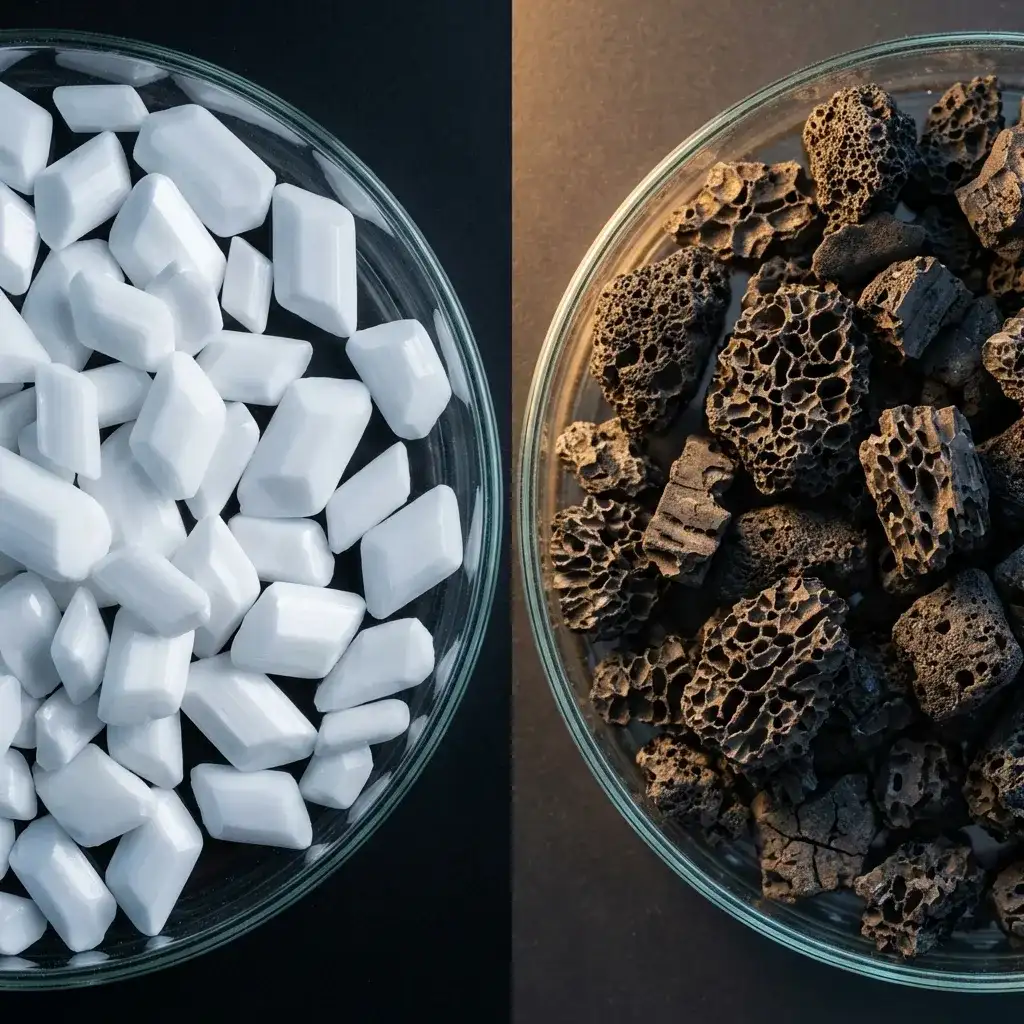
Baking Soda Layer
Sprinkle a thin layer under the litter. Cheap, effective, instant.
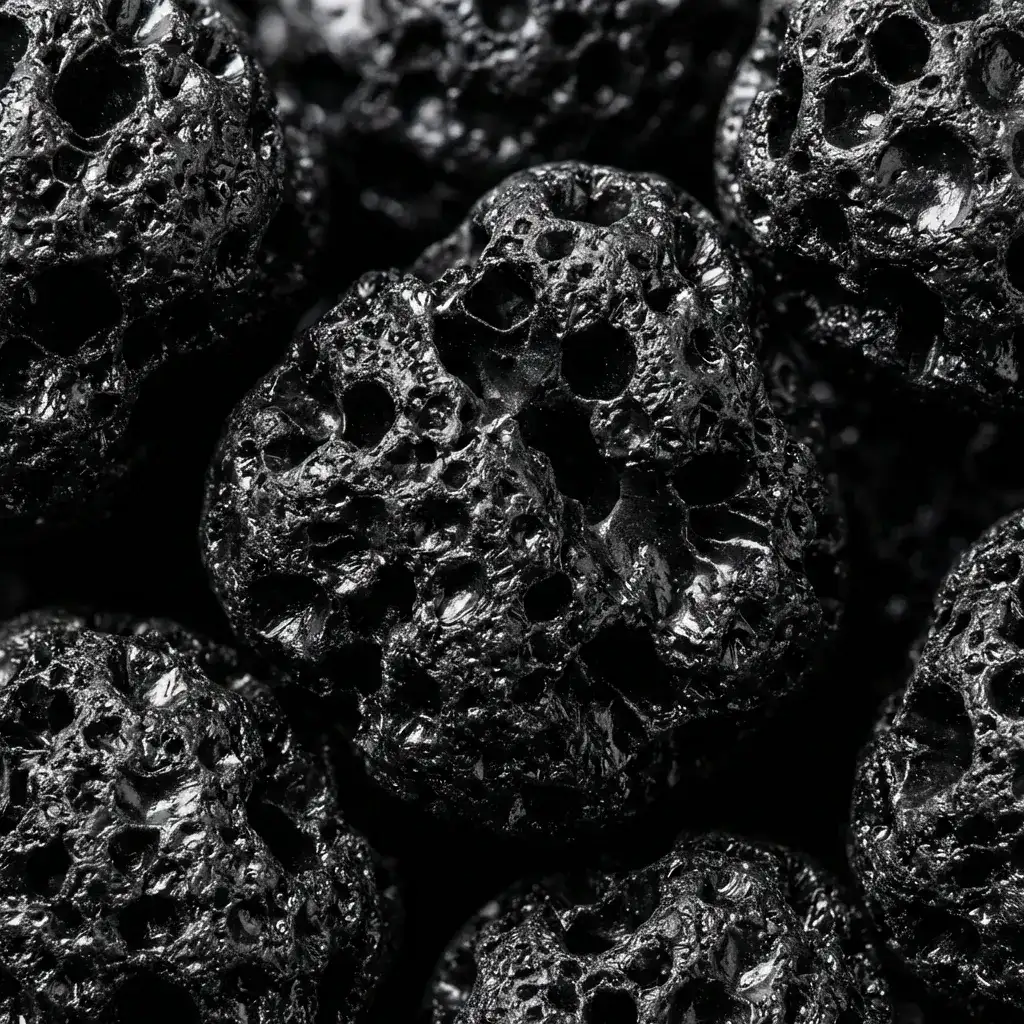
Activated Carbon
The real secret weapon. Traps odor molecules at the source.
When an Additive Actually Makes Sense
If scooping, litter depth, and ventilation are already handled but the odor still lingers, an activated carbon additive is the category worth looking at. It is an add-on, not a substitute for basic litter-box hygiene.
- Useful if you want to keep your current litter
- Targets odor molecules instead of masking them with fragrance
- Most helpful for ammonia-heavy boxes and small spaces
- Still requires regular scooping and full litter changes
“It doesn't smell like flowers - it smells like nothing.”
Disclosure: Purrify is our product, and we may benefit if you buy it. Details
Odor-Control Flow
Routine
Scoop and reset first
Airflow
Let the room clear
Additive
Layer only if needed
Activated Carbon Additives
Best used after the basic routine is already under control: scoop often, keep litter depth consistent, and ventilate the area.
Fresh Maintenance Guides
Once the emergency smell is under control, these routines keep the box from drifting back into problem territory.
Real Talk: Your Questions Answered
No BS, just honest answers to what you're actually wondering.
Why does my litter box smell so bad even when I scoop daily?+
Scooping removes the solid waste, but ammonia from urine soaks into the remaining litter and keeps releasing gas. Traditional litter absorbs moisture, but it does not trap odor molecules well once the box is already saturated. We walk through the whole chain reaction in why your litter box smells.
Do those litter box air fresheners actually work?+
Usually not for long. They layer fragrance on top of the smell instead of removing the source. You get better results by removing waste, refreshing saturated litter, and improving airflow - the quick fixes guide covers each one step by step.
How often should I completely change the litter?+
For one cat using standard clumping litter, every 2-3 weeks is a reasonable baseline. Multi-cat homes or boxes with persistent ammonia smell usually need a faster reset cycle. The full scoop and change schedule breaks it down by situation.
Is the smell dangerous for me or my cat?+
The ammonia smell is not just unpleasant. High concentrations can irritate respiratory systems for both people and cats, and cats are closer to the litter surface than you are. Persistent strong odor is a hygiene issue, not just a comfort issue - here is what the health risks actually are.
Will my cat reject the litter if I add something to it?+
Some cats are sensitive to any change in texture or smell. If you try an additive, introduce it gradually and monitor litter-box behavior closely for a few days. Comparing activated carbon vs baking soda first helps you pick the gentler option for your cat.
Still Not Sure Where to Start?
Take our 60-second quiz to figure out whether you need habit changes, a cleaning reset, better airflow, or a health check. No email required.
Take the Smell Quiz →