How to Stop Litter Box Smell Permanently
This is the long-term playbook. If you need the room to smell better in the next 10 minutes, use the emergency guide. If you want the odor cycle to stop coming back, start here.
Reviewed by Dr. James Chen, Veterinary Reviewer
Disclosure: Purrify is our product, and we may benefit if you buy it. Details
Part 1: The Problem in One Paragraph
Cat urine contains urea. Bacteria in the litter break it down into ammonia, which off-gasses into your home. Most litter absorbs the liquid but not the gas, which is why scooping alone never quite gets you to a fresh-smelling room. Masking products (scented litter, sprays, covered boxes) don't remove ammonia, they just compete with it. The full chemistry, bacteria types, and why each masking tactic fails lives on why your litter box smells. If odor is already causing irritation or you need pregnancy-specific guidance, read our health-risks guide first.
The rest of this page is the long-term setup that actually stops new ammonia from forming and traps what does.
Part 2: The Science-Backed Solution
There's one material proven to trap odor molecules: activated carbon.
How Activated Carbon Works
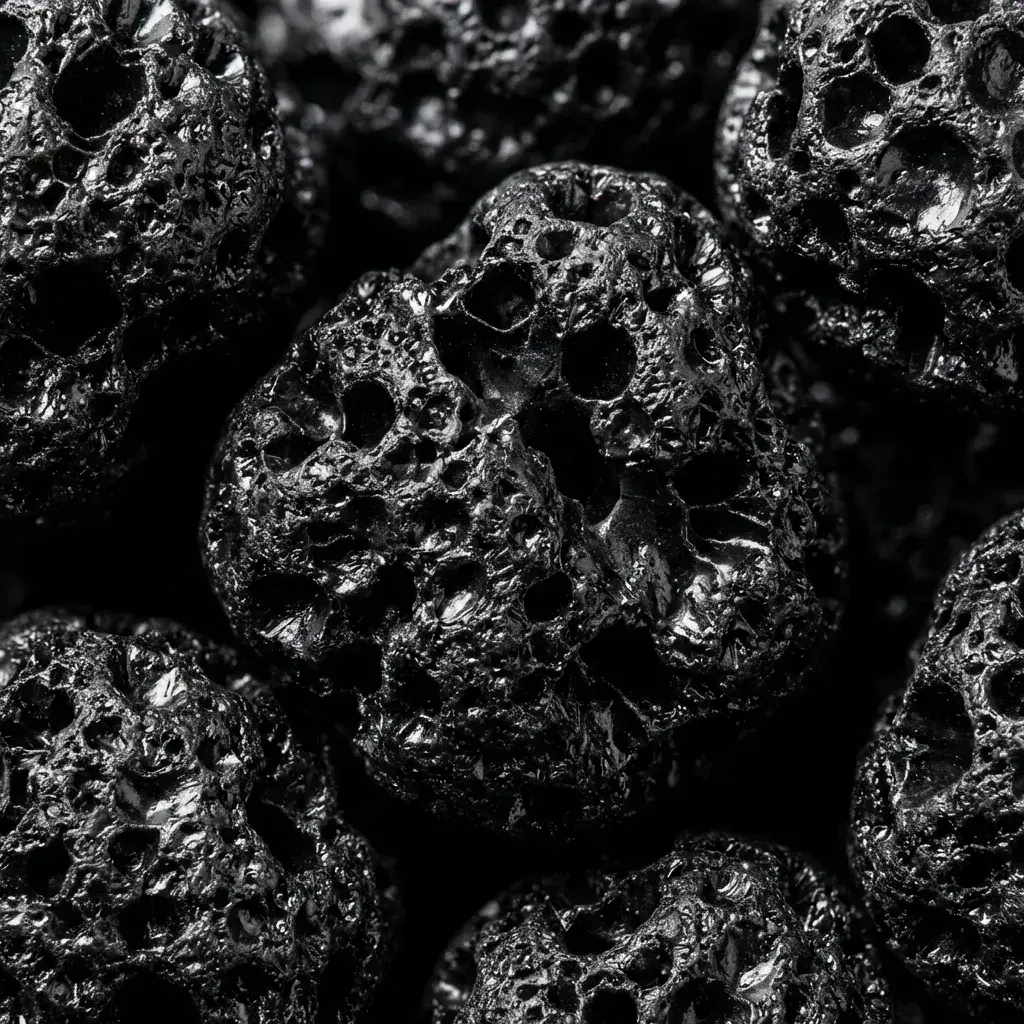
Activated carbon is processed to have millions of microscopic pores. Those pores pack an enormous internal surface area into a tiny amount of material - which is exactly what makes it so good at catching odor.
When odor molecules like ammonia pass through activated carbon, they get trapped in these pores through a process called adsorption (not absorption). The molecules stick to the carbon surface and can't escape back into your air.
This is the same technology used in:
- Water filtration systems (removes contaminants)
- Hospital air purifiers (removes airborne pathogens)
- Gas masks (protects against toxic gases)
- Industrial odor control (manufacturing facilities)
Where an Activated Carbon Additive Fits
Activated carbon can help after you fix the basics: scooping frequency, litter depth, full-change schedule, and airflow around the box. We use activated carbon additives as one example of this product category, but the decision should be based on fit and tradeoffs rather than a single merchant page.
- Usually works best when you want extra odor control without switching litter entirely
- Makes the most sense in multi-cat homes or rooms where odor builds quickly between scoops
- Best compared on fragrance, dust, ingredient simplicity, and litter compatibility
- Should support your routine, not replace scooping, ventilation, or periodic full changes
Activated Carbon Additives
One option when routine fixes are already in place
Best for households that already scoop consistently but still notice lingering odor.
Compare this category against litter changes and box setup before buying.
Part 3: Implementation Guide
How to apply activated carbon to your litter box for maximum odor control.
Start Fresh
For best results, start with a clean box and fresh litter. If your current litter already smells, the carbon will work overtime to trap existing odors. Give it a fair test.
Layer or Mix
Either sprinkle activated carbon on top of the litter, mix it in, or create a layer at the bottom. All methods can work. Starting on top makes it easier to adjust the amount and see whether the change is actually helping. See Purrify's application notes for one example.
Reapply Weekly
Activated carbon has a finite capacity for trapping molecules. For continuous odor control, reapply once per week (or more often for multi-cat households).
Continue Scooping
Activated carbon doesn't replace scooping - it handles the odor that scooping can't. Continue your normal litter box maintenance for best results.
Frequently Asked Questions
Why does my litter box smell even after scooping?
Scooping removes solid waste, but ammonia from urine has already soaked into the remaining litter particles. This ammonia continuously off-gasses into your air. The only way to stop this is to trap those gas molecules before they escape - which is what activated carbon does at a molecular level.
Do litter deodorizers and air fresheners actually work?
Most don't solve the problem - they just add perfume on top of ammonia. Your nose gets confused, but the ammonia is still there. Some products use activated carbon, which actually traps odor molecules. Look for deodorizers that use adsorption (trapping molecules) rather than masking.
How does activated carbon eliminate litter box odor?
Activated carbon has millions of microscopic pores that physically trap odor molecules through a process called adsorption. All those pores give even a small amount of carbon an enormous internal surface area, which is why a thin layer can capture so much odor. When ammonia molecules pass through, they get trapped in these pores and can't escape into your air.
Will my cat accept litter with an additive?
Cats are sensitive to changes, but most additives like activated carbon are odorless and have a similar texture to litter. Mix it into or under the litter rather than placing it on top - applied that way, most cats simply don't notice it. If your cat starts avoiding the box after any change, go back to the old setup and reintroduce gradually.
Ready to Solve Your Litter Box Smell?
Start with the no-buy fixes, then compare product categories only if your routine and room setup are already solid.