7 Quick Fixes That Actually Work
No fancy products required (mostly). These are the things you can do right now with stuff you probably already have.
Disclosure: Purrify is our product, and we may benefit if you buy it. Details
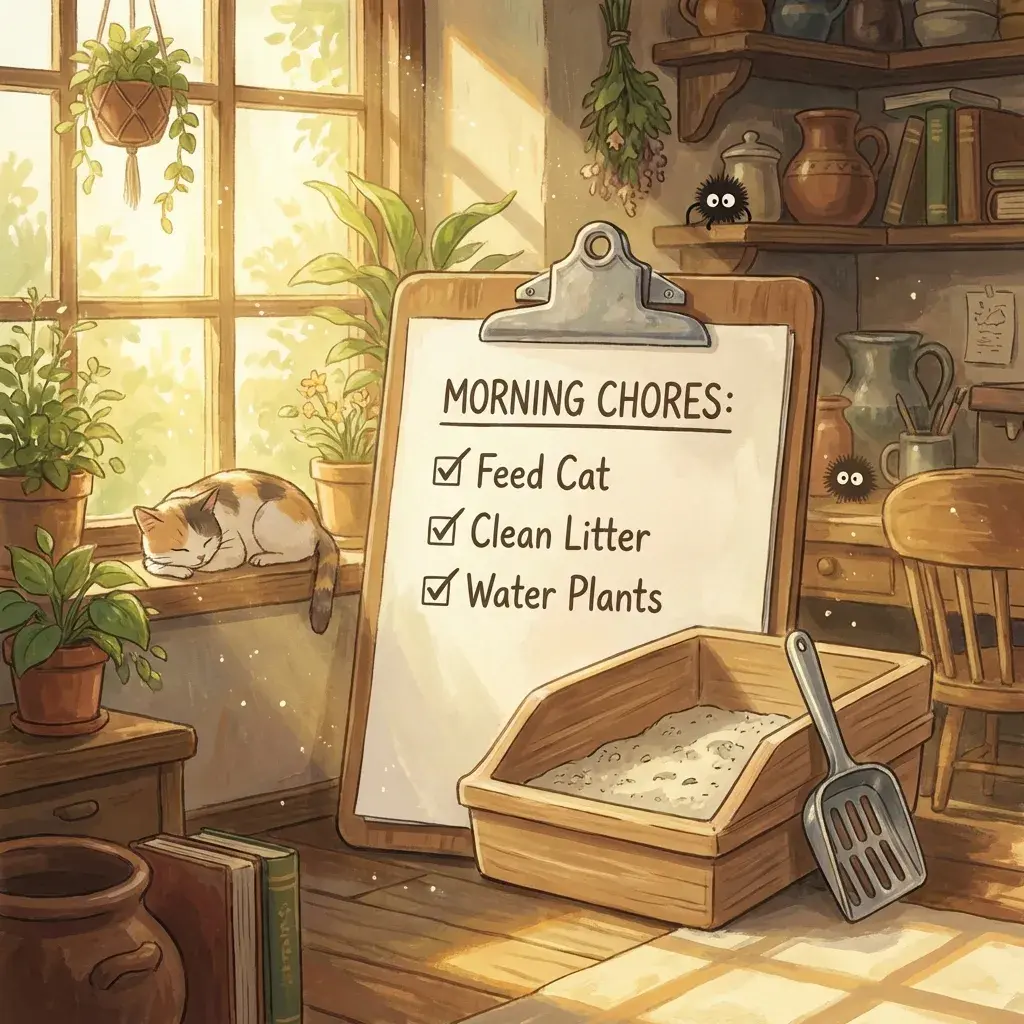
Scoop Twice a Day (Yes, Really)
We know you've heard this before. But here's the thing: once a day isn't enough. Ammonia starts forming within hours of your cat using the box. Morning and evening scooping makes a massive difference.
Pro Tip: Keep a small trash can with a lid right next to the litter box. The easier you make it, the more likely you'll actually do it.
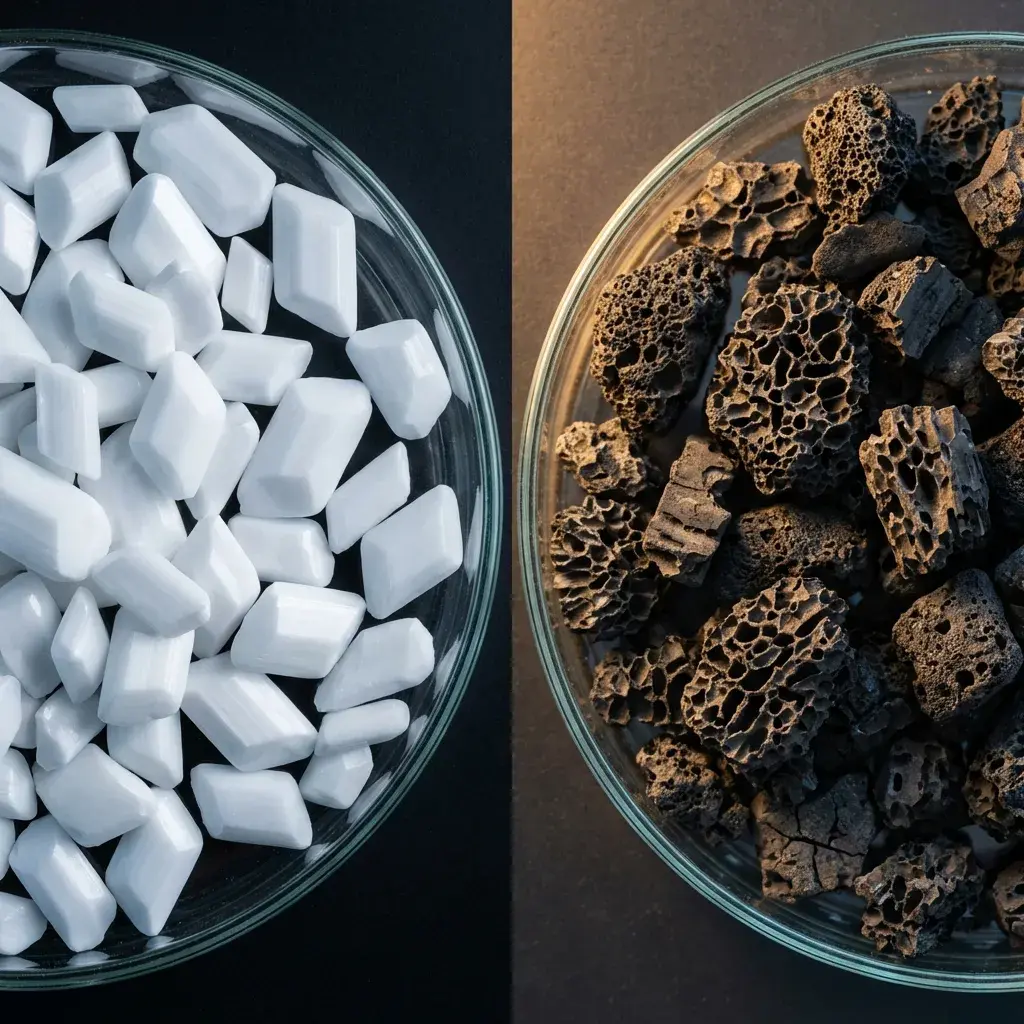
Add a Layer of Baking Soda
Before adding fresh litter, sprinkle about 1/4 cup of baking soda on the bottom of the box. It neutralizes acids in cat urine and is completely safe for cats. If that still is not enough, compare it with carbon in our carbon vs baking soda guide, or shop Purrify's odor-control options directly.
Pro Tip: Don't put it ON TOP of the litter - cats don't like the texture. Under or mixed in only.

Use Activated Carbon (The Secret Weapon)
Activated carbon physically traps odor molecules in its microscopic pores. It does not mask smell, it reduces the gases leaving the box. If the box smells sharp or urine-heavy, use our ammonia smell litter guide before buying, or see Purrify's carbon additive as an example of the category.
Pro Tip: Sprinkle a thin layer on top of fresh litter, then keep the rest of your routine the same for a week so you can judge whether the additive actually helped.
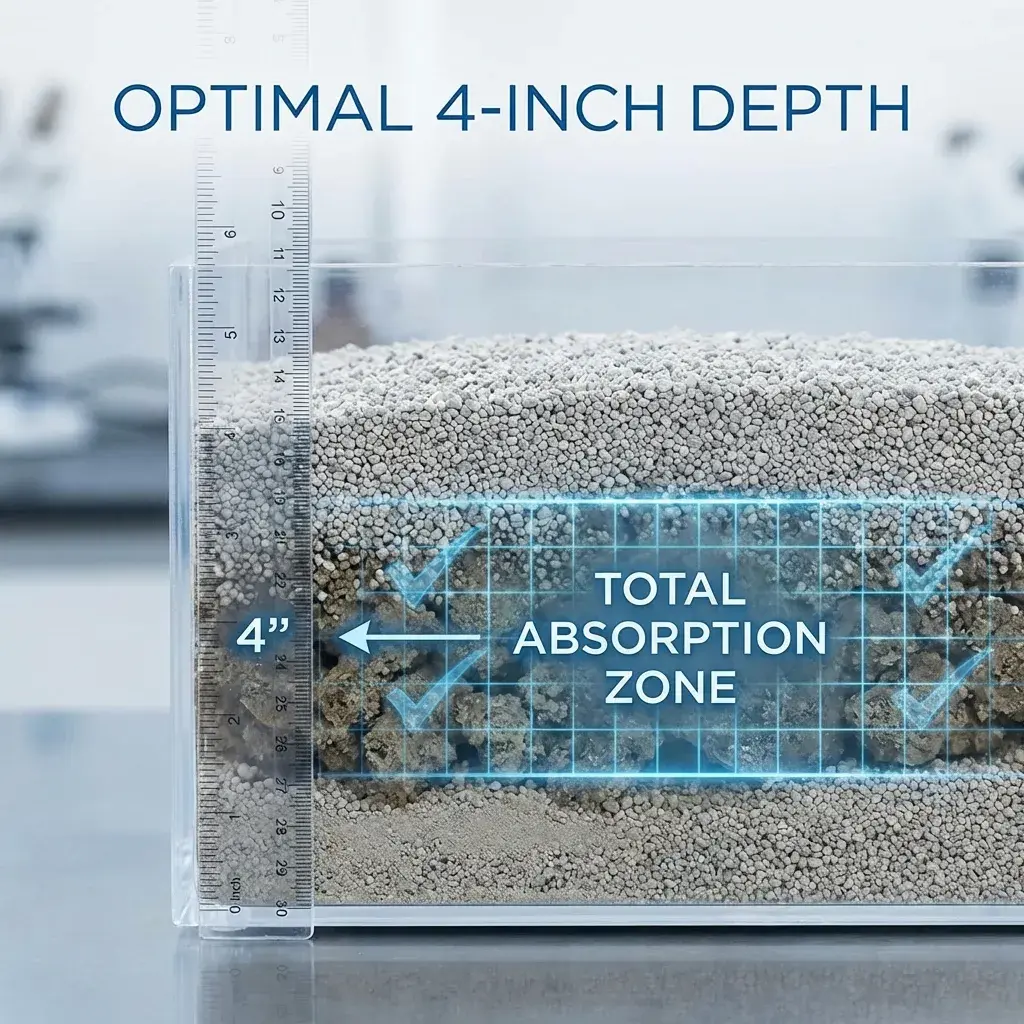
Check Your Litter Depth
Too shallow = urine hits the bottom and creates concentrated smell zones. Too deep = waste gets buried and rots. The sweet spot is 3-4 inches for clumping litter, and a little less for heavier natural litters.
Pro Tip: Use a ruler the first few times until you can eyeball it.
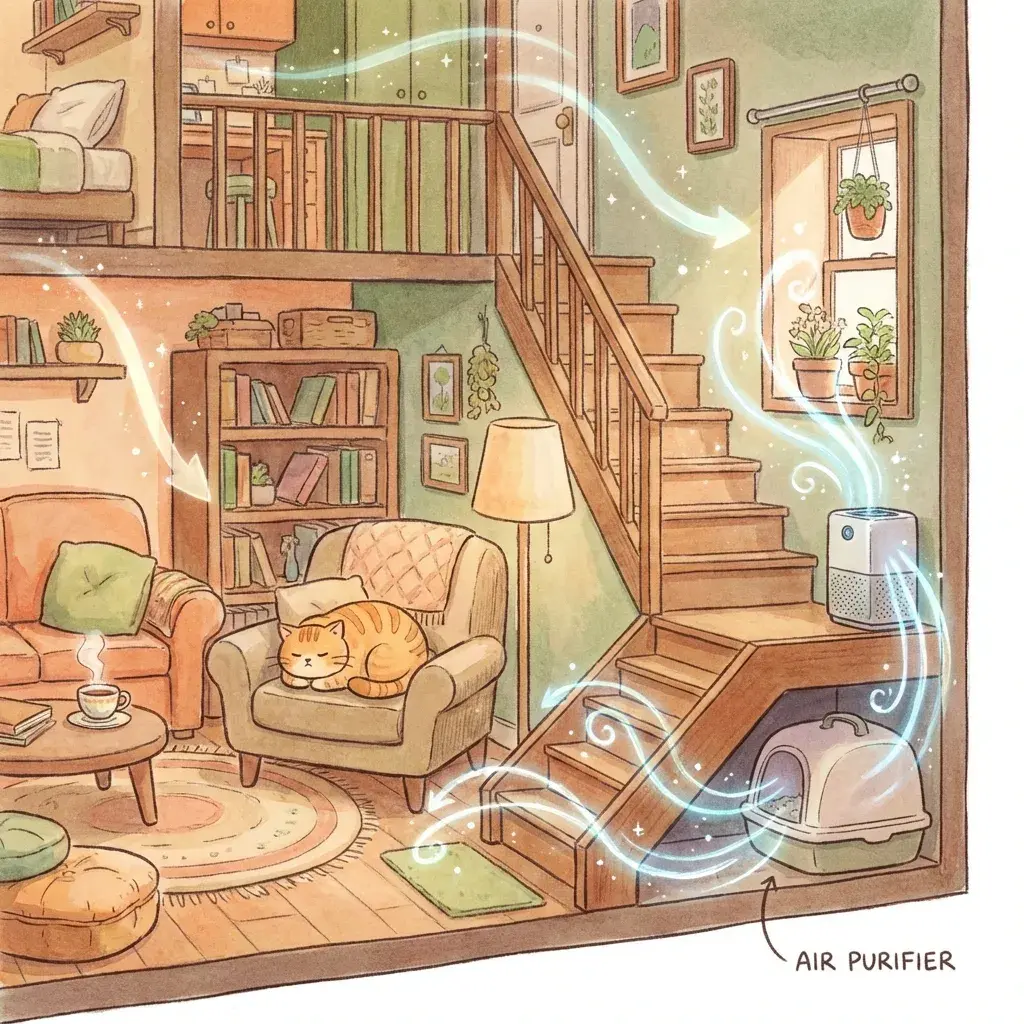
Move the Box Location
Corners trap smells. Areas near air vents spread them throughout your home. Look for spots with mild air circulation but not in direct paths of your HVAC system. If your space is tight, focus on airflow first and use the long-term setup guide for room-level fixes.
Pro Tip: Near a bathroom with an exhaust fan is often ideal - just leave the door cracked.

Add a Second Litter Box
The golden rule: one box per cat, plus one extra. More boxes = smell distributed across locations rather than concentrated. Plus, cats prefer options. Multi-cat households usually need more box coverage before they need a new deodorizer.
Pro Tip: Put the second box in a different room entirely, not right next to the first one.

Deep Clean the Box Monthly
Even with daily scooping, plastic absorbs odors over time. Once a month, empty the box completely, wash with dish soap and hot water, and let it dry completely before refilling. If the smell survives a full wash, see our plastic litter box odor guide.
Pro Tip: Skip the bleach - the ammonia in residual urine can create toxic fumes. Dish soap is enough. Only add an odor-control product after the box itself is actually clean.
Quick Fixes FAQ
What is the single most effective quick fix for litter box smell?
Scooping twice a day beats every product you can add. Ammonia starts forming within hours of use, so the fix that removes waste sooner does more than any deodorizer sprinkled on top of a box that has not been scooped.
Should I use baking soda or activated carbon?
Baking soda neutralizes some acidic odor and is cheap and safe for cats. Activated carbon traps a wider range of odor molecules in its pores rather than just neutralizing acid. For a stronger or more persistent smell, carbon does more. See the carbon vs baking soda guide for the full comparison.
How deep should litter be to control odor?
Three to four inches for clumping litter. Shallower and urine hits the bottom of the box, creating a concentrated smell zone that scooping cannot fully reach.
Does moving the litter box location actually help with smell?
Yes, when the current spot has poor airflow. A corner or a closed closet traps odor. A spot with mild air circulation, away from a direct HVAC path, spreads a smell rather than letting it pool in one room.
How many litter boxes do I need to keep smell down?
One box per cat, plus one extra. More boxes distribute the load across locations instead of concentrating it in a single box, which is often the fastest fix in a multi-cat home.
Want the Full Deep Dive?
These quick fixes work, but understanding WHY your litter box smells helps you prevent the problem entirely.