Activated Carbon vs Baking Soda for Cat Litter
Baking soda is cheap and useful. Activated carbon is more targeted for lingering airborne odor. The trick is knowing which problem you actually have.
Disclosure: Purrify is our product, and we may benefit if you buy it. Details
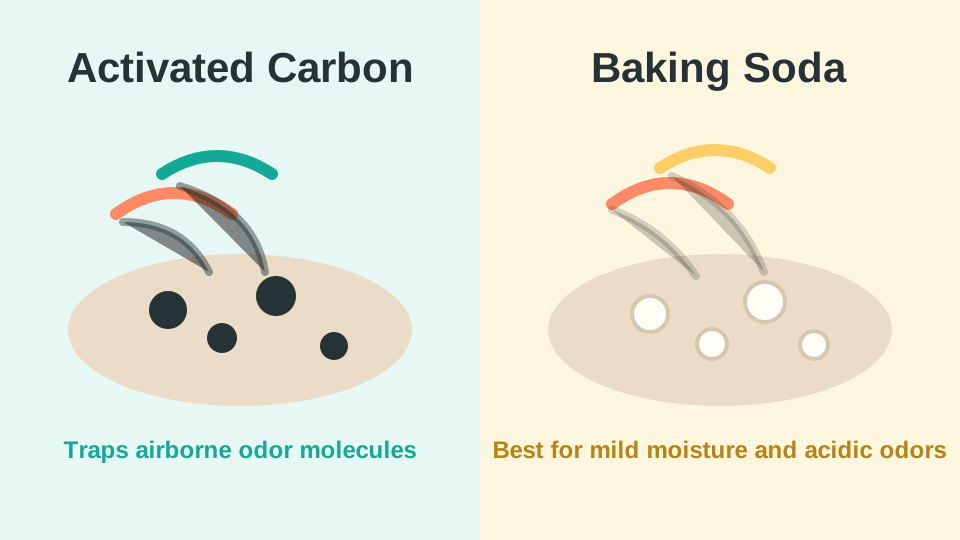

Best for ammonia
Activated carbon
Use after scooping and a fresh litter reset.
Best cheap helper
Baking soda
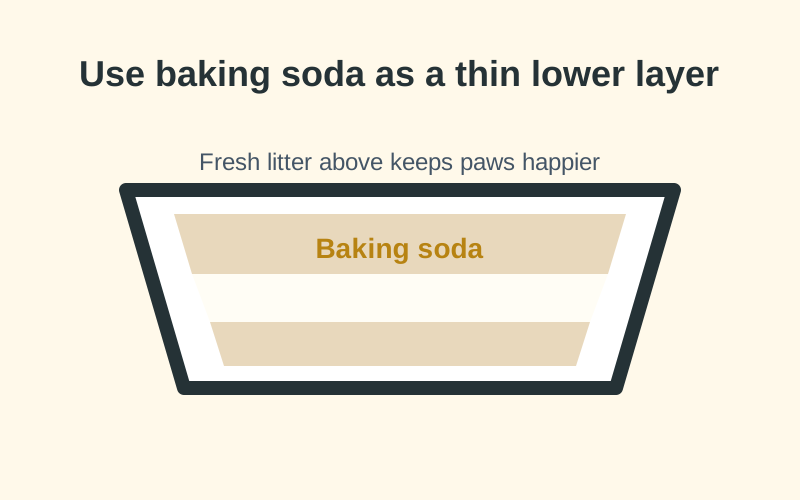
Use as a thin lower layer for mild odor.
Best real-world setup
Both, lightly
Routine first, then a small amount of each if your cat accepts it.
Why Activated Carbon Handles Lingering Odor Better
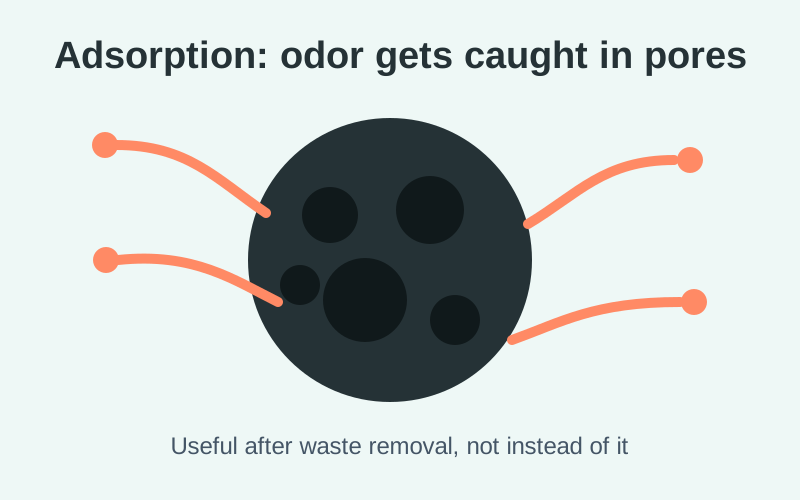
Activated carbon is porous. Odor molecules can stick inside those pores through adsorption, which is why carbon shows up in filters, air cleaners, and odor-control products. In a litter box, that matters most when the visible waste is gone but the room still has that sharp urine smell.
It still has limits. If the litter is saturated, the box plastic is holding old residue, or airflow is poor, carbon has to fight a source problem. Treat it like a layer, not a miracle.
Where Baking Soda Still Wins
Baking soda is inexpensive, easy to find, and good enough for mild odor support. It can help when your problem is a slightly stale box, a quick freshen-up, or a thin base layer under clean litter.
The failure mode is using too much. A powdery top layer can bother some cats and create dust. Keep it below the litter or mixed lightly.
Carbon vs Baking Soda: Quick Comparison
| Question | Activated carbon | Baking soda |
|---|---|---|
| Main job | Traps airborne odor molecules | Helps mild odor and moisture |
| Best use case | Ammonia-heavy rooms and small spaces | Cheap refresh under fresh litter |
| Cat acceptance risk | Texture change if over-applied | Dust/powder if placed on top |
| Routine required | Yes | Yes |
| Purrify fit | Direct category fit | Complement, not replacement |
FAQ
Is activated carbon better than baking soda for cat litter smell?
Activated carbon is usually better for lingering airborne odor because it adsorbs odor molecules into pores. Baking soda is useful for mild smells and moisture support, but it is not a complete ammonia-control system by itself.
Can I use baking soda and activated carbon together?
Yes, but start small. A thin lower layer of baking soda can help with mild odor while a light carbon layer can help trap gases that escape the litter. Avoid adding so much powder that your cat rejects the box.
Where should baking soda go in a litter box?
Put baking soda under fresh litter or mix a small amount through the litter. Avoid leaving a heavy powder layer on top where it can bother paws or create dust.
Does activated carbon replace scooping?
No. Carbon works best after the waste source is controlled. Scoop, keep litter depth consistent, clean the box, and use carbon as an extra odor-trapping layer.
Next: Pick the Right Odor-Control Setup
If ammonia is the main smell, read the ammonia-specific litter guide. If you are still choosing a base litter, compare the best cat litter odor-control options.